News

A daily global contemporary art digest powered by the curator assistant and the research corpus. Each item pairs a fresh announcement or report with concise context about the artist and the publishing institution.

Harvest status: Idle
Updated: not yet run
Target publication: https://news.institution.art
Daily AWS Harvest Research Corpus Backed Editorial Summary + Context
Epic Fantasies: An Introduction to Fantasies of the People - Journal #161

institution / e-flux.com

Epic Fantasies: An Introduction to Fantasies of the People - Journal #161

Kerstin Stakemeier examines the role of fantasy in the work of German writer and feminist Lu Märten (1879–1970), situating Märten’s interventions within a historical-materialist framework. The piece reads Märten’s essays and pamphlets—including references to her 1903 text and the 1924 Taifun publication—against broader theoretical sources cited in the article (Günther K. Lehmann, Stefano Harney and Fred Moten, Sigmund Freud, Anselm Franke) and later editorial collections. Stakemeier highlights how fantasy operates as both poetic practice and political imagination in forms for everyday life, drawing on translations and archival materials assembled in the 1982 edited volume of Märten’s writings.

Kazakhstan's Tselinny Arts Center Puts Decolonization into Practice

institution / ARTnews.com

Kazakhstan's Tselinny Arts Center Puts Decolonization into Practice

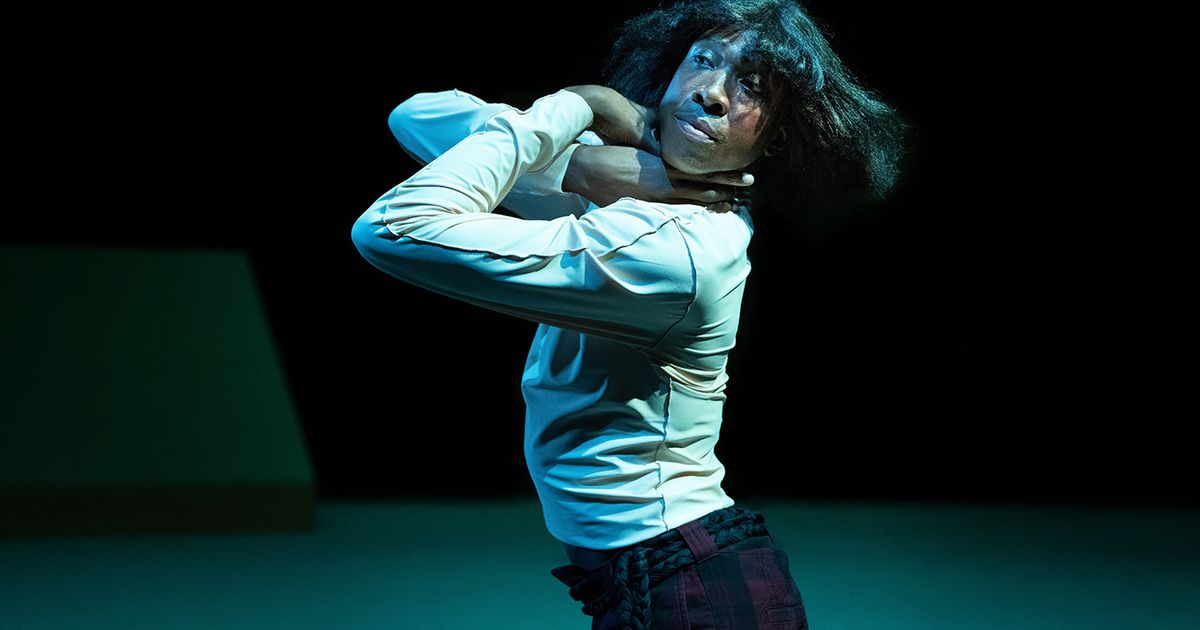
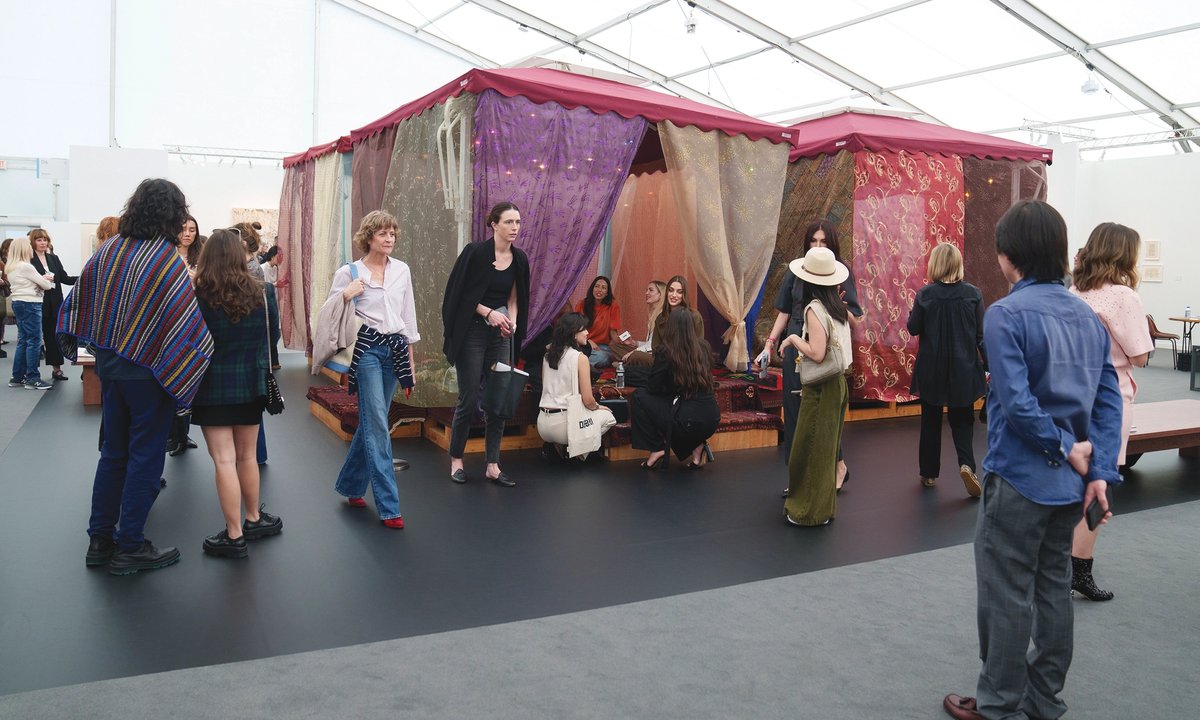
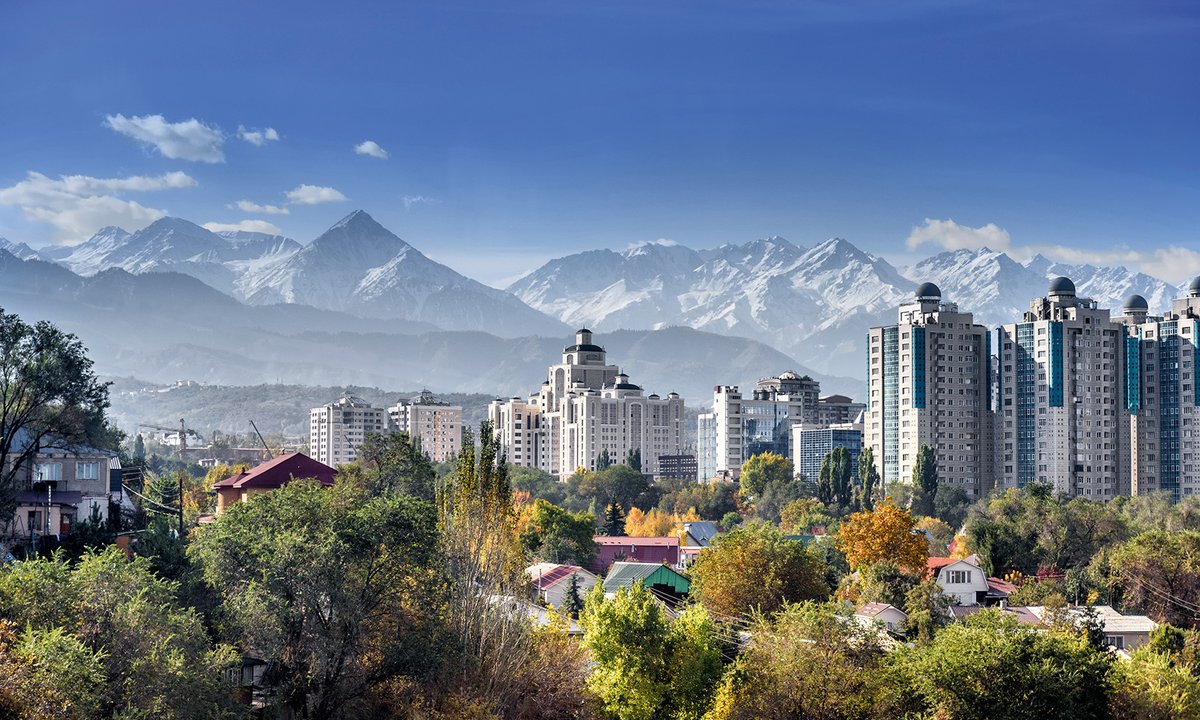
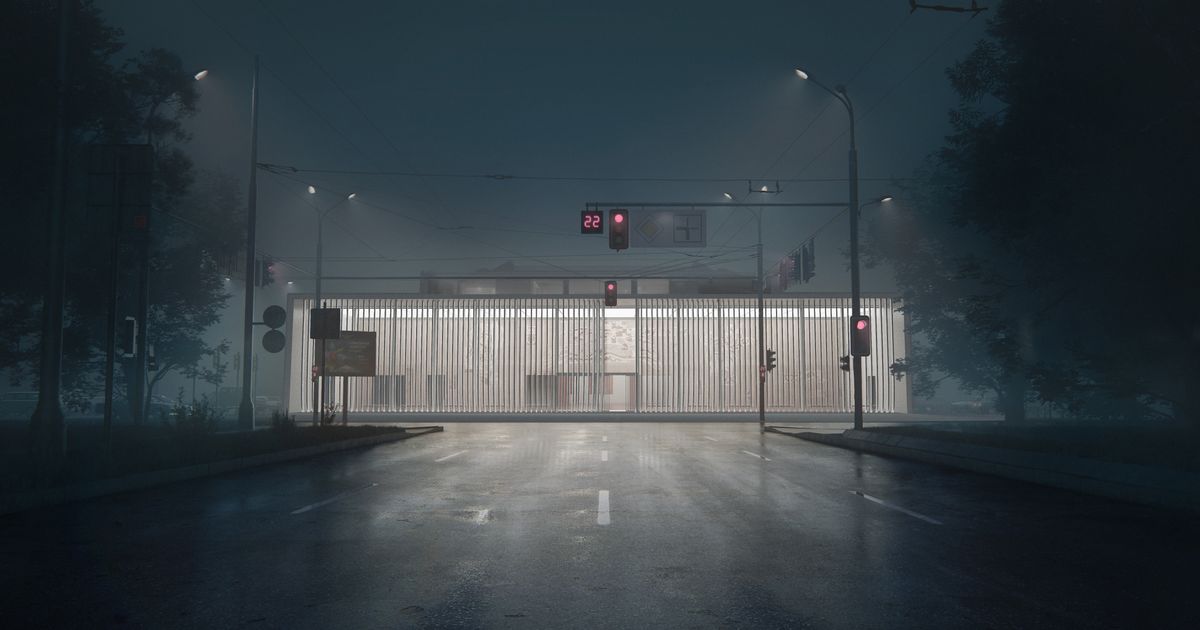
The Tselinny Center of Contemporary Culture opened this September in Kazakhstan as an intentional counterpoint to hierarchical Western arts institutions, centering decolonization in practice. Its inaugural programming included Barsakelmes, a 90-minute multidisciplinary performance that summoned the Aral Sea through music, dance, and visual installation: a monumental multi-colored yurt by Berlin-based Kazakh artist Gulnur Mukazhanova with visuals by Darya Temirkhan, throat singing, synthesizer, and dancers. Guided by a creative advisory board including cultural sociologist Diana T. Kudaibergen, the project reinterpreted Central Plains myths to address Soviet-era ecological and cultural trauma. The audience mixed local and international patrons, professionals, and journalists, and the center foregrounds regional memory and post‑Soviet artistic renewal.